
TechNews
Signal will block screenshots to keep your phone’s own AI out of your chats. It says the fix is incomplete.
Signal will block screenshots inside its app on iOS 27, and on Android when it detects an AI assistant reading the screen, to keep Siri AI and Gemini away from private chats. The protection can be switched off. Signal says it is incomplete, does not work on Macs, and wants Apple, Google and Microsoft to give apps a real AI opt-out.
In short
- What happened. On 20 November, Signal said it will block screenshots on iOS 27, and on Android when it detects an AI assistant reading the screen, to keep Siri AI and Gemini out of chats.
- Who is affected. Signal users on recent iPhones and Android phones. Macs get no block; Windows 11 has had one since May 2025.
- The catch. Signal calls the fix incomplete: it does not stop access to data already stored on the phone, and switching it off exposes your contacts’ messages too.
2fixes Signal demands from Apple, Google and Microsoft: an AI opt-out for apps and real documentation (Signal)
May 2025when Signal first blocked screenshots by default, on Windows 11, to keep chats out of Microsoft Recall (Signal)
0Mac protection for now: Signal says macOS gives it no workable way to apply the block (Signal)
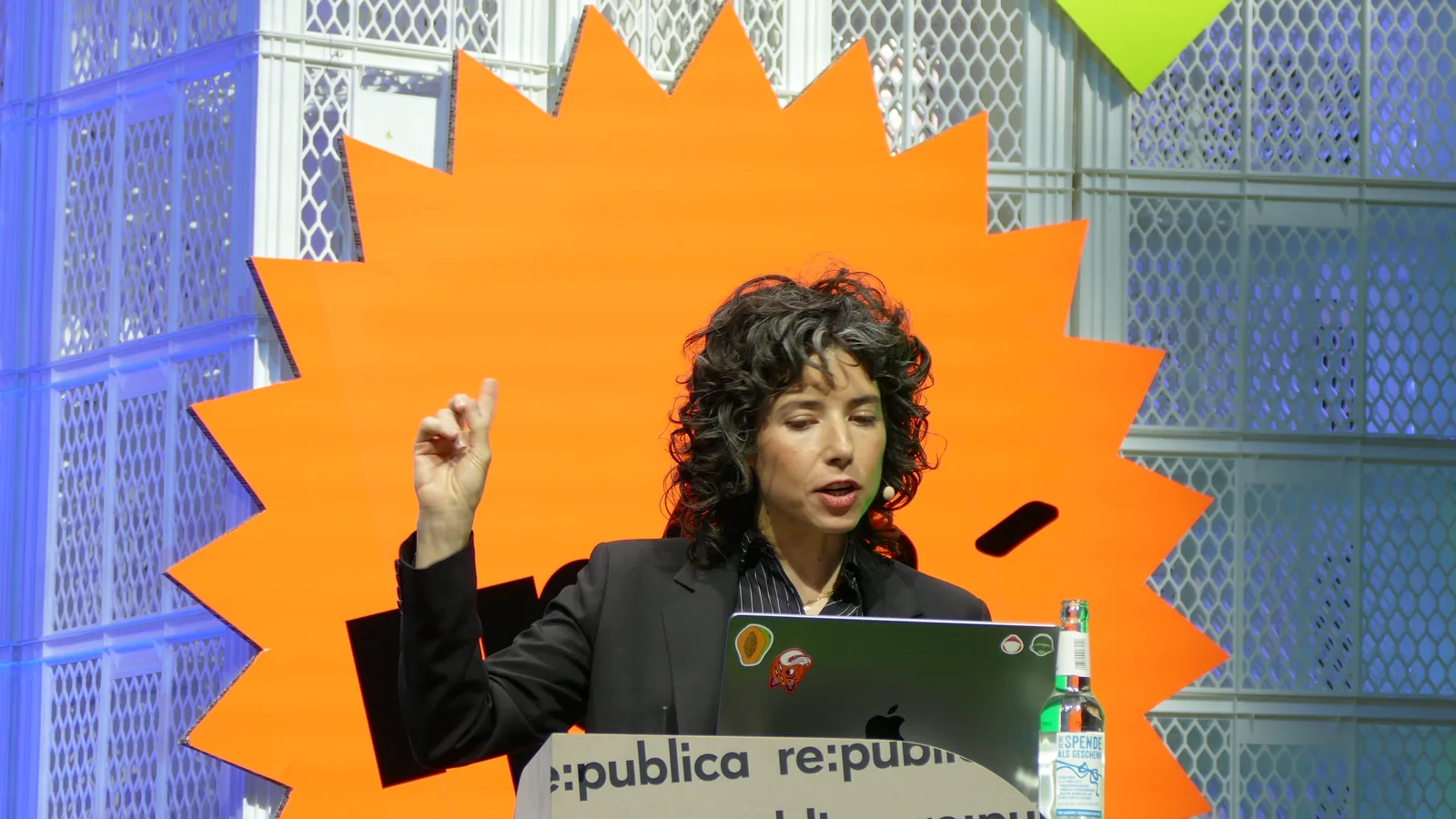
Signal is switching screenshots off to keep your phone’s AI out
On Friday, 20 November, Signal said it will stop the AI assistants built into phone operating systems from reading its chats off the screen. In a post published by Signal president Meredith Whittaker, the messaging app said it will prevent screenshots inside the app on iOS 27, and do the same on Android versions where it can detect an AI assistant trying to read the screen.
The targets are named: Google’s Gemini Intelligence on Android and Apple’s Siri AI, with its on-screen awareness, on iPhone. Both can look at what is displayed and act on it.
The protection is on unless you turn it off. People who want screenshots back can disable it in Signal’s settings, but Signal warns that doing so can expose their messages, and their contacts’ messages, to those assistants.
Signal’s post gives no app version number and no rollout date.
Why end-to-end encryption does not help here
Signal’s encryption protects a message while it travels between phones. It cannot protect the message once it is on your screen, because you need to read it.
That is the gap an operating-system assistant uses. Signal says these agents scan what is displayed, which captures Signal data and hands it to the assistant so it can answer questions and carry out tasks. The encryption is intact. The screen is the leak.
What happens to that copy is outside Signal’s control. Signal says it can end up in a local database or on a remote server used by the agent. On iPhone, the Electronic Frontier Foundation notes that Siri AI sometimes processes requests on the device and sometimes sends them to Apple’s Private Cloud Compute servers, with no immediate sign of which one is used.
The EFF also found in September that neither users nor developers could block on-screen awareness for a given app. Signal’s screenshot block is, in effect, its workaround.
Step 1Encrypted in transitA message travels end-to-end encrypted between phones. Nobody in between can read it.
Step 2Decrypted to displaySignal shows the readable text on your screen, because you have to read it.
Step 3The assistant reads the screenAn OS agent such as Siri AI or Gemini captures what is displayed to answer a request.
Step 4Out of Signal’s handsThe copy can go to a local database or a remote server, beyond Signal’s control.
Phone by phone: what changes
iPhone on iOS 27: Signal will block screenshots inside the app. Digital Trends and Cyber Security News report a new “Block Siri AI” setting that also hides the chat in the app switcher. On 20 November, Signal’s own help page still described only the older Screen Security option.
Android: the block applies where Signal can detect an assistant trying to read the screen. Signal limits it to the Android versions where that detection works, so it will not behave the same way on every phone.
Mac: no block. Signal says the platforms give developers no easy way to restrict AI access without drastic compromises, which is why it cannot implement the protection on macOS for now. Digital Trends reports that Signal suggests adding the app to the Excluded Apps list in the Siri section of System Settings instead.
Windows 11: nothing new. Signal Desktop has blocked screenshots by default since May 2025, using a DRM flag that, according to Microsoft’s developer documentation cited by Signal, keeps a window out of Recall and other screenshot tools.
The price: screenshots, accessibility and your contacts
Blocking screenshots is a blunt tool, and Signal knows it. When it did the same on Windows in 2025, it acknowledged that some accessibility software, such as screen readers or magnification tools, may not work correctly with the block on.
The block is also local. Signal’s help page says screen security stops screenshots on your own device only; it does not stop the person you are writing to from taking one. The new post makes the same point from the other side: switch the protection off, and your contacts’ messages are within the assistant’s reach as well as your own.
That turns a personal setting into a group decision. A sensitive conversation is only as closed as the least protected phone in it.
What the block cannot stop
Signal calls its own remedy incomplete. Restricting screenshots does nothing against what it describes as sneakier routes, such as an agent retrieving content already stored on the device through the filesystem.
It also points to a second front: third-party agents. Signal names Meta’s Muse as an example of an assistant that can reach app data through the deep permissions people are encouraged to grant during setup. Some of those agents use accessibility settings meant to help people use their apps, which Signal says are being turned into a skeleton key for AI.
Signal says there is a growing need for tools to prevent that kind of access. In other words, those tools do not exist yet, and notifications are on the list of system paths it wants apps to be able to close.
Signal’s two demands to Apple, Google and Microsoft
Signal argues that the three companies behind the main consumer operating systems set the conditions every app lives in, and that their AI integrations are making those conditions hostile to privacy. It calls the situation an existential threat to its mission.
It asks for two things. First, an easy, documented way for an app to opt out of AI data access, covering screen reading, filesystem access, notifications, APIs and other system frameworks, without breaking the app. Second, proper documentation of how these agents access and process data. Signal says it spent months on forensic investigations across Android and iOS to work out what the assistants actually do.
Signal also says confidential computing is not a complete answer, because it leaves the extent of privacy in the platform owner’s hands. It describes itself as cautiously optimistic that Google and Apple are engaging with it.
What is still unknown
Signal has not said which app version brings the change or when it reaches every phone. It has not listed the Android versions where detection works. SIGNAL found no public response from Apple or Google at the time of writing.
In September, the EFF wrote that Apple appeared to be planning a single privacy toggle for AI features in a future update. A real per-app opt-out from Apple or Google would let Signal stop breaking screenshots. Until one ships, the trade-off sits with users.
Original sources
- signal.orgSignal — Signal is Serious About Protecting Your Privacy, by Meredith Whittaker (20 November 2026)
- signal.orgSignal — By Default, Signal Doesn’t Recall (21 May 2025)
- support.signal.orgSignal Support — Screen Security (checked 20 November 2026)
- eff.orgElectronic Frontier Foundation — How to Limit What Apple’s New Siri AI Can Access in iOS 27 (September 2026)
- digitaltrends.comDigital Trends — Signal is fighting back against AI agents snooping on your private chats (20 November 2026)
- cybersecuritynews.comCyber Security News — Signal Restricts Screenshots to protect User Privacy from AI assistants (20 November 2026)
- commons.wikimedia.orgWikimedia Commons — Meredith Whittaker at re:publica 2023, Berlin, photographed on 5 June 2023 by Kritzolina, CC BY-SA 4.0

Sources checked 20 November 2026. Send a correction.